
Virtual private networks (VPNs) are super important for many internet users. They help keep your privacy, security, and let you access restricted content. But what if your VPN not working in USA when you need it the most? It’s really frustrating, especially if you don’t know why it’s happening.
In this article, I’ll explain some common reasons why a VPN might not connect. It could be something simple like wrong login details or something more tricky like conflicting security software. Then, I’ll show you how to fix these problems. Let’s get started!
Quick Solutions to Your VPN not Working in USA
This post will lead you through some of the most common VPN issues and how to solve them. We’ll go into more detail later, but for now, here’s a quick rundown of VPN not working in USA: Solutions;
| VPN Issues | Possible Cause | Solution |
| The internet cannot be accessed | Firewalls, blocked ports, out-of-date VPN software, or even a broken router are common reasons why a VPN connection fails. | Ensure your VPN software is up to date, the necessary ports are not blocked, and your firewall permits VPN access. |
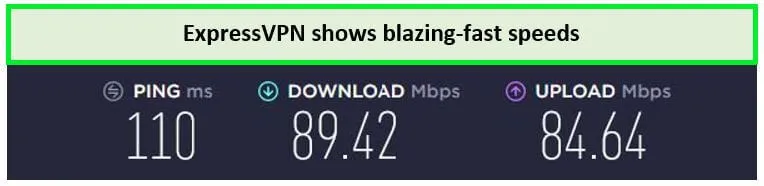
| Slow speed | A busy server, geographic distance from the server, network configuration, or VPN protocol could all contribute to slow VPN connections. | Use a faster network or VPN protocol, or connect to a server that is physically near to you or one that is faster. |
| Netflix VPN/proxy ban | The primary cause of VPN users’ inability to watch Netflix is Netflix’s blocking of VPN servers. | Clear your cache and cookies, switch servers, use a streaming-specific server, or go incognito. |
| Emails won’t send | It’s possible that Your email service can be preventing your VPN from working., or that your VPN is blocking an unsecured email port. | Change your email port, use an alternative VPN server, or turn on split tunneling. |
Get ExpressVPN - Editor Choice in USA 30-day money-back guarantee
How to Fix your VPN When it is not Working in USA
When your VPN isn’t connecting, try these simple steps first before diving into more technical solutions.
🔍 Check Your Internet Connection
Make sure your internet is working properly. Open a browser and try visiting a website without using the VPN. If the website doesn’t load, the problem is likely with your internet, not the VPN. Restart your router, wait a few minutes, and try again.
🔄 Restart Your Device and VPN
A quick restart can fix many tech problems. Reboot your device and try connecting to the VPN again. If that doesn’t work, close the VPN app completely and reopen it.
🔄 Update Your VPN App
Using an old version of the VPN app might cause problems. Check for updates in the app or on the VPN provider’s website, and install the latest version.
🌐 Try a Different Server
If one server isn’t working, switch to another. Premium VPNs like ExpressVPN have many servers. Disconnect from the current server and try a different one. This is a simple but important tip to remember if your VPN is not connecting in USA.
📝 Double-Check Your Credentials
Make sure you entered the correct username and password. A small typo can cause issues. If you’ve recently changed your password, update it on all devices using the VPN.
These basic steps usually fix most VPN connection problems. If you’re still having trouble, try the advanced steps below.
Advanced Troubleshooting for VPN Connection Issues in USA
If the basic steps didn’t work, try these more technical solutions. Proceed carefully, and if you’re unsure, contact your VPN provider’s support for help.
🔄 Change VPN Protocols
VPN protocols are methods your device uses to connect to the VPN server. Some might be blocked or slow in certain regions. In your VPN app settings, look for an option to change the protocol. Try a different one like OpenVPN or IPSec/IKEv2 to see if that helps.
🛡️ Adjust Firewall and Security Software
Your firewall or antivirus software might be blocking the VPN. Temporarily disable them to see if the VPN connects. Remember to re-enable them afterward to keep your system safe. If disabling works, add your VPN to the firewall or antivirus allowed” list to avoid future issues.
🔧 Reset Network Settings
If other apps needing the internet are working fine, resetting your network settings might help. DNS (Domain Name Server) issues can also block VPNs. Flushing the DNS cache can solve this. Flushing DNS doesn’t affect your browsing history or saved passwords.
Try these steps to get your VPN back up and running smoothly.
Easy Fixes for VPN Connection Issues on Any Device in USA
Getting a VPN to work can be tricky, but most problems have simple solutions. Let’s go through some easy steps to fix VPN connection issues on different devices.
Fixing VPN Connection on Wi-Fi
Connecting to a VPN over Wi-Fi is usually simple, but sometimes problems can pop up. Here’s how to fix common VPN issues on Wi-Fi:
- Reconnect to Wi-Fi by disconnecting and reconnecting.
- Switch to a different Wi-Fi network if possible.
- Adjust router settings to ensure nothing is blocking the VPN, and update firmware if needed.
- Use an Ethernet cable for a stable connection.
- Contact support if issues persist.
Fixing VPN Connection on Mobile
Using a VPN on your phone or tablet is important for security. If you have connection problems, try these steps:
- Check your internet connection to ensure stability.
- Restart the VPN app by closing and reopening it.
- Update the VPN app to the latest version.
- Switch between Wi-Fi and cellular data.
- Check app permissions to ensure the VPN app has necessary access.
- Reinstall the VPN app if issues continue.
Fixing VPN Connection to a Server
Sometimes, you might have trouble connecting to a specific VPN server. Here’s how to fix it:
- Try connecting to a different server.
- Check the server status to see if it’s down or overloaded.
- Reset the VPN connection by disconnecting and reconnecting.
- Review security settings and temporarily disable your firewall or antivirus.
- Change VPN protocols in your settings.
- Contact support for further assistance.


![Best Stremio Addons in USA [Updated 2026]](../../wp-content/uploads/2021/09/Best-Stremio-Addons-for-2022.jpg)


![How to Stop Comcast Throttling on Netflix and YouTube in USA [Updated 2026]](../../wp-content/uploads/2022/12/Stop-Comcast-Throttling-300x169.jpg)